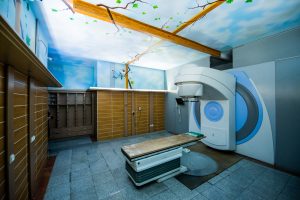

Radiotherapy: Radiotherapy is one of the most important branches of medical physics. Radiotherapy is the treatment of disease using penetrating radiation such as X-rays, alpha, beta, and gamma rays, which are either emitted from a device or from drugs containing labeled substances. Radiotherapy is the use of ionizing radiation to destroy or shrink cancerous tissues. In this method, due to DNA damage, the cells in the treatment area (target tissue) are destroyed and it becomes impossible for them to continue growing and dividing. Although radiation damages healthy cells in addition to cancer cells, most healthy cells recover. The goal of radiation therapy is to kill as many cancer cells as possible with minimal damage to healthy tissue. The main use of radiation therapy is to treat or reduce cancer. Other uses of radiation therapy include killing cancer cells and lesions in various organs, rehabilitating and improving the patient’s organs (such as the liver, kidneys, and prostate), preventing the spread of organ lesions, and reducing symptoms of the disease (such as pain). Various devices and tools have been developed by medical engineers and made available to doctors for the treatment and rehabilitation of patients. One of these important and widely used devices is radiotherapy. In other words, radiotherapy is the use of high-energy radiation to destroy cancer cells and lesions in various organs. Bazarganan Hospital began operating in 2014 using the Elekta linear accelerator and advanced planning system. So far, more than 3,000 cancer patients have been treated in this center, and 80 percent of patients are continuing their daily lives without the disease returning. The treatment staff of the radiotherapy department of Bazarganan Hospital are university faculty members and the most experienced people in this field of treatment.